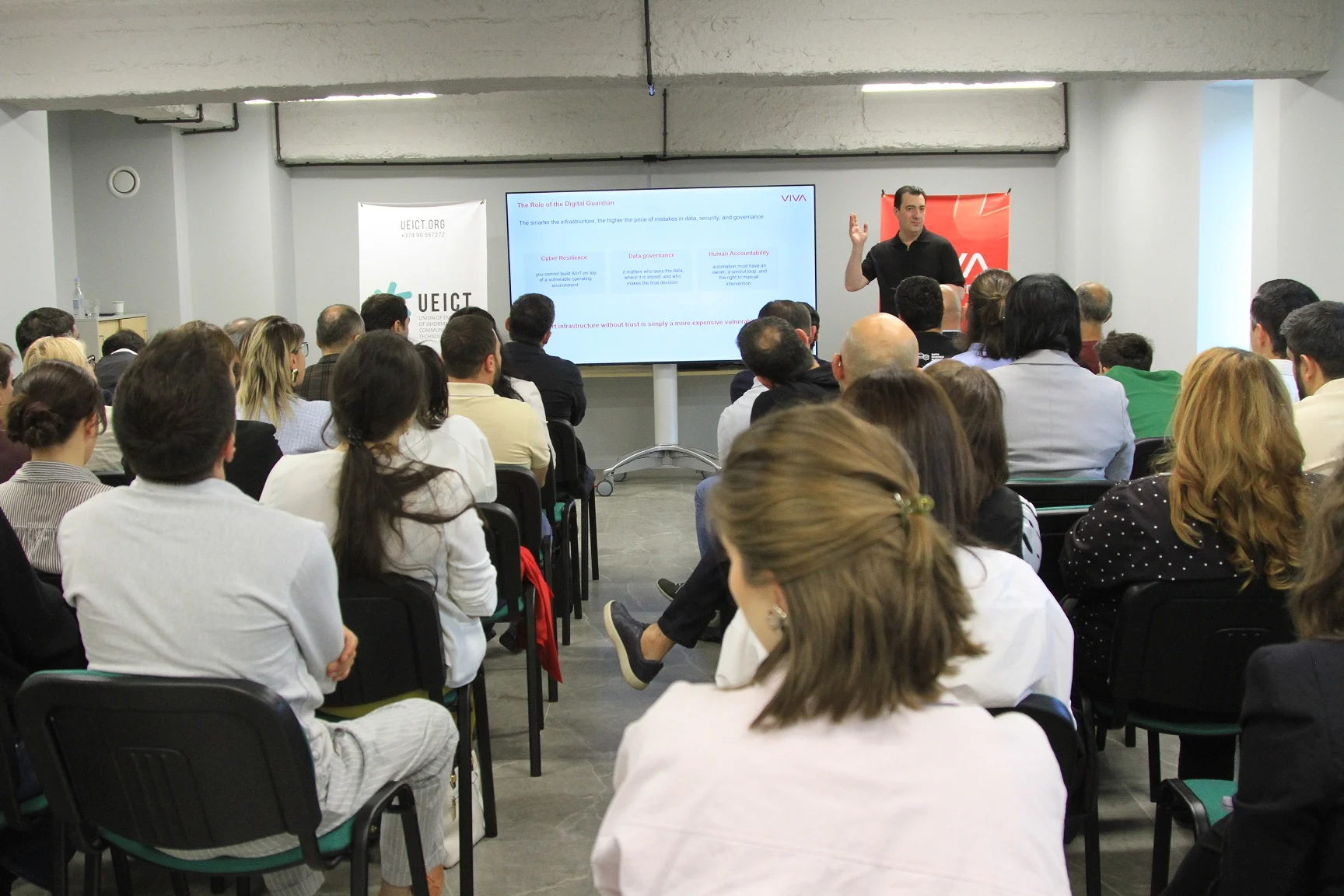


“AIoT: From Connectivity to Thinking Infrastructure”: Viva General Director Gives Lecture at the UEICT
One of the key directions of digitalization — IoT — is rapidly becoming part of our everyday lives. In urban management, various sectors of the economy, and household environments, IoT is becoming an indispensable tool in terms of safety, cost efficiency, process control, data collection, and optimization. Video
The development of AI and the deployment of 5G networks are driving the growth of AIoT (Artificial Intelligence of Things). Networks are no longer merely channels for data transmission — they are becoming environments for decision-making. This marks the next stage of digitalization. AIoT begins where data is transformed into decisions without long human chains of intervention. IoT provides observability, while AI provides interpretation. Together, they enable infrastructure to respond earlier, more accurately, and at lower cost. In the new digital environment, the network acts as a nervous system, data as signals, AI as the interpreting mechanism, and action as the new value.
The key message of the lecture was that AIoT represents a transition from “connected” infrastructure to infrastructure capable of seeing, analyzing, predicting, and acting. For businesses, this means not abstract digitalization, but concrete economic impact: fewer downtimes, less manual monitoring, improved safety, more accurate resource management, and faster incident response.
As a member of the UEICT, Viva Armenia sees it as part of its mission to share knowledge and expertise with society, contributing to the further development of Armenia’s ICT sector. Members of the UEICT were the first to have the opportunity to participate in discussions and explore the development potential of this field in Armenia.
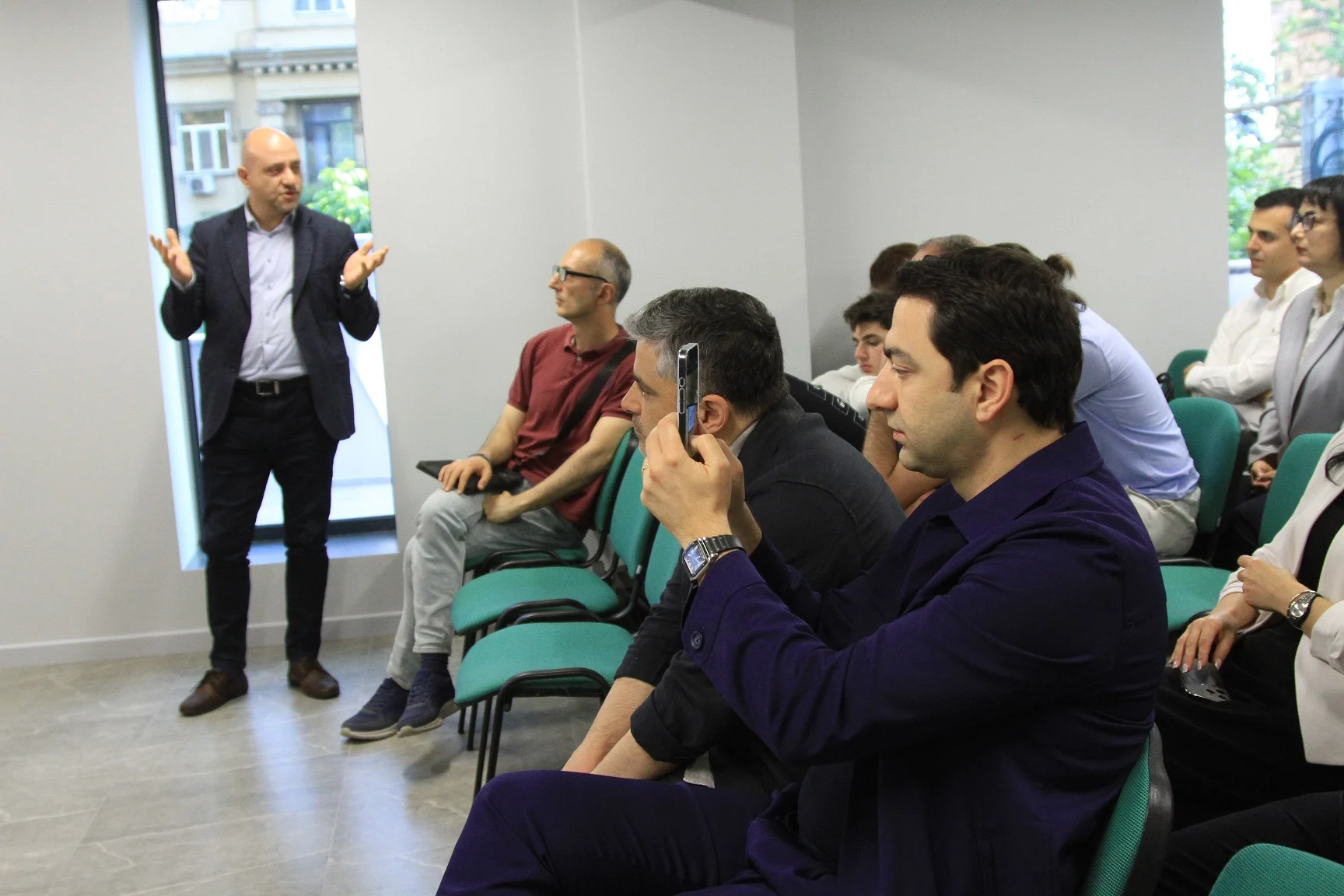
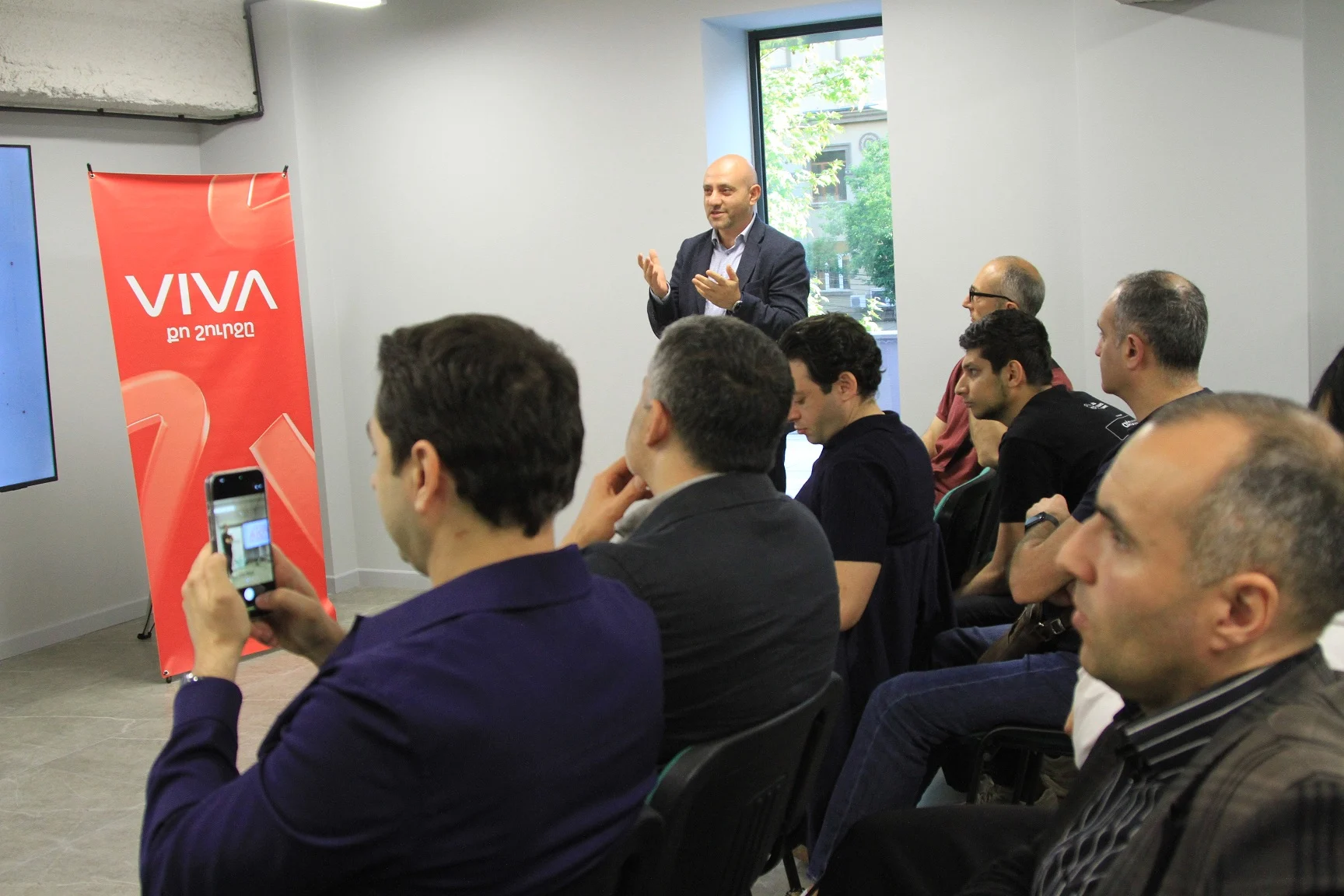
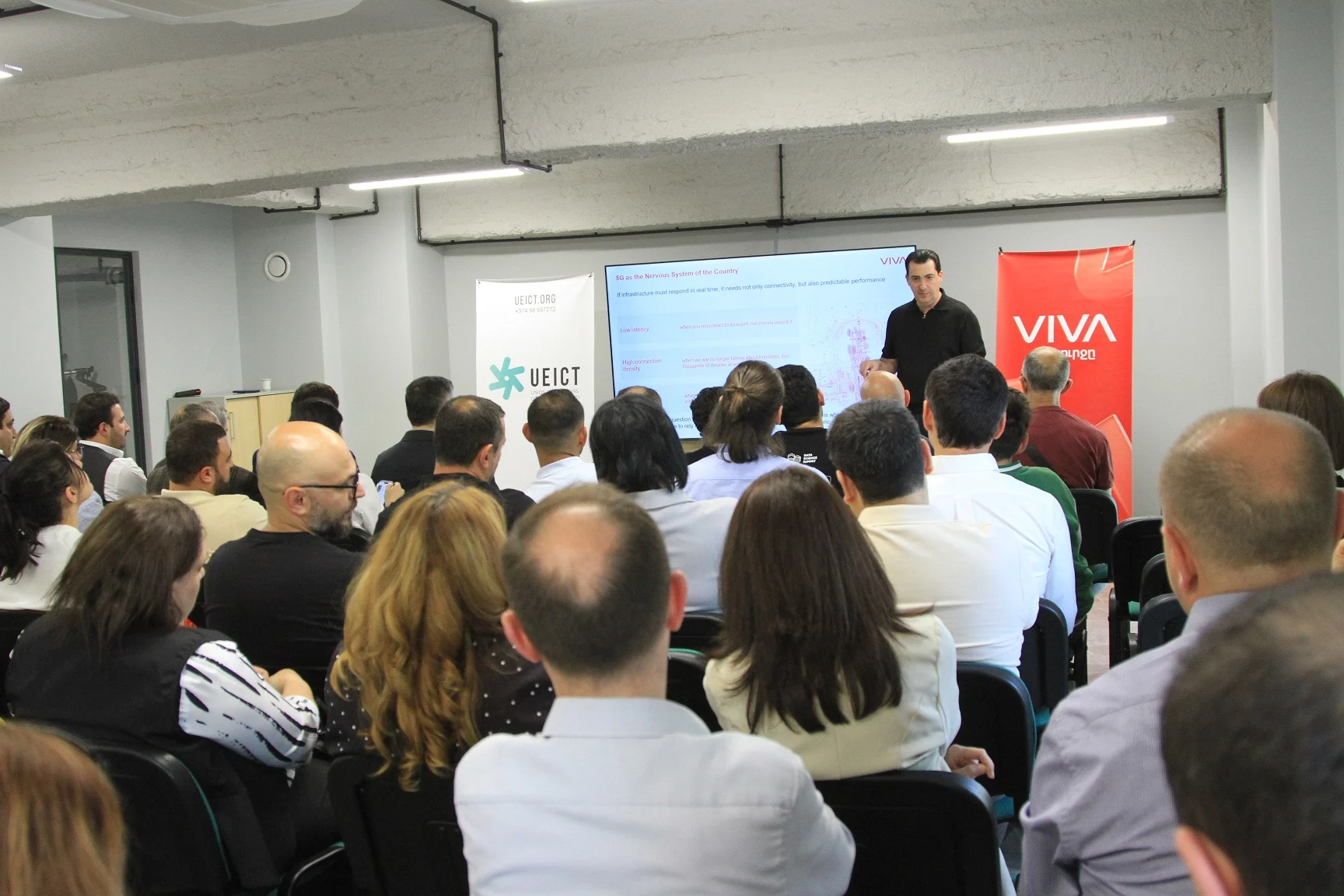
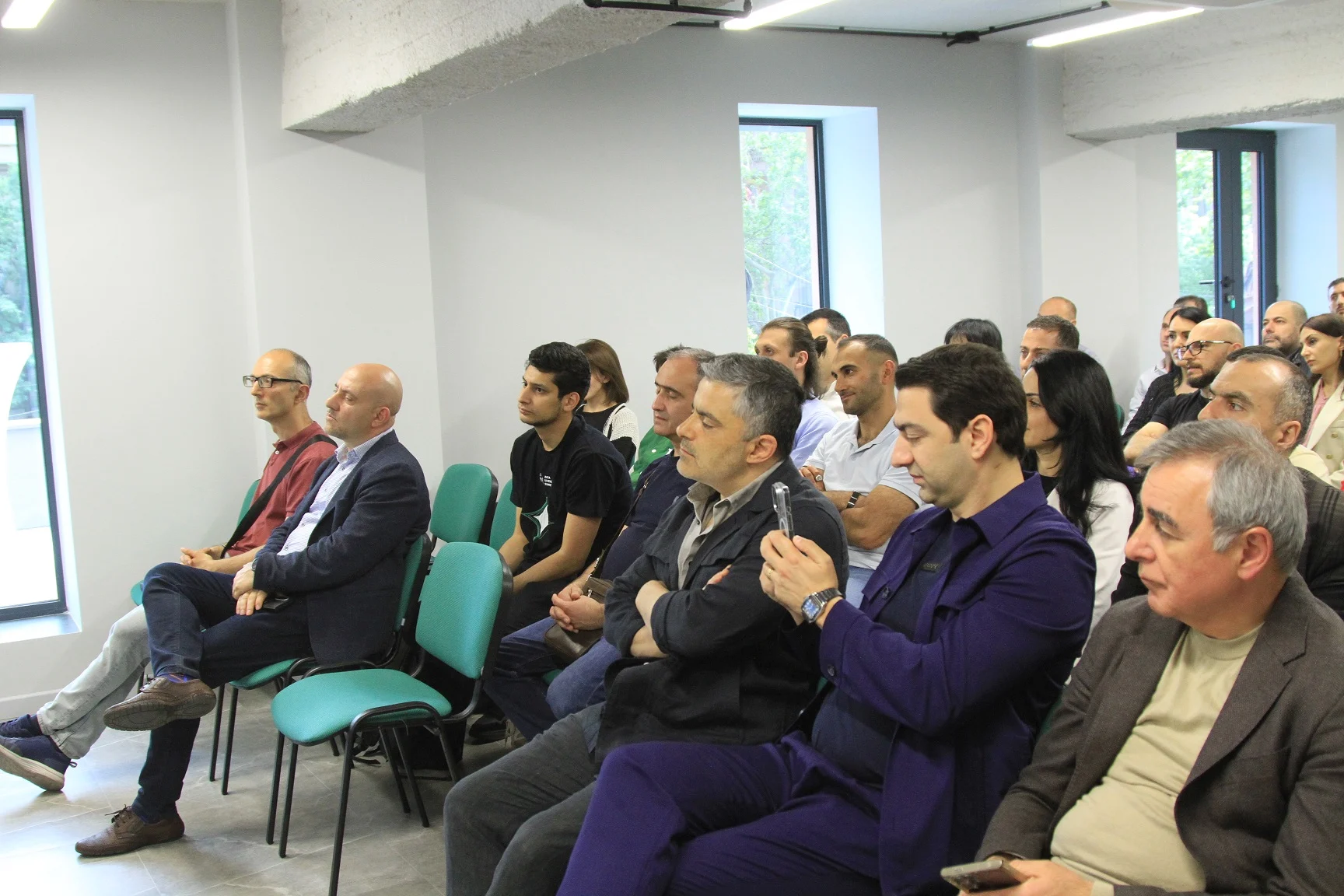
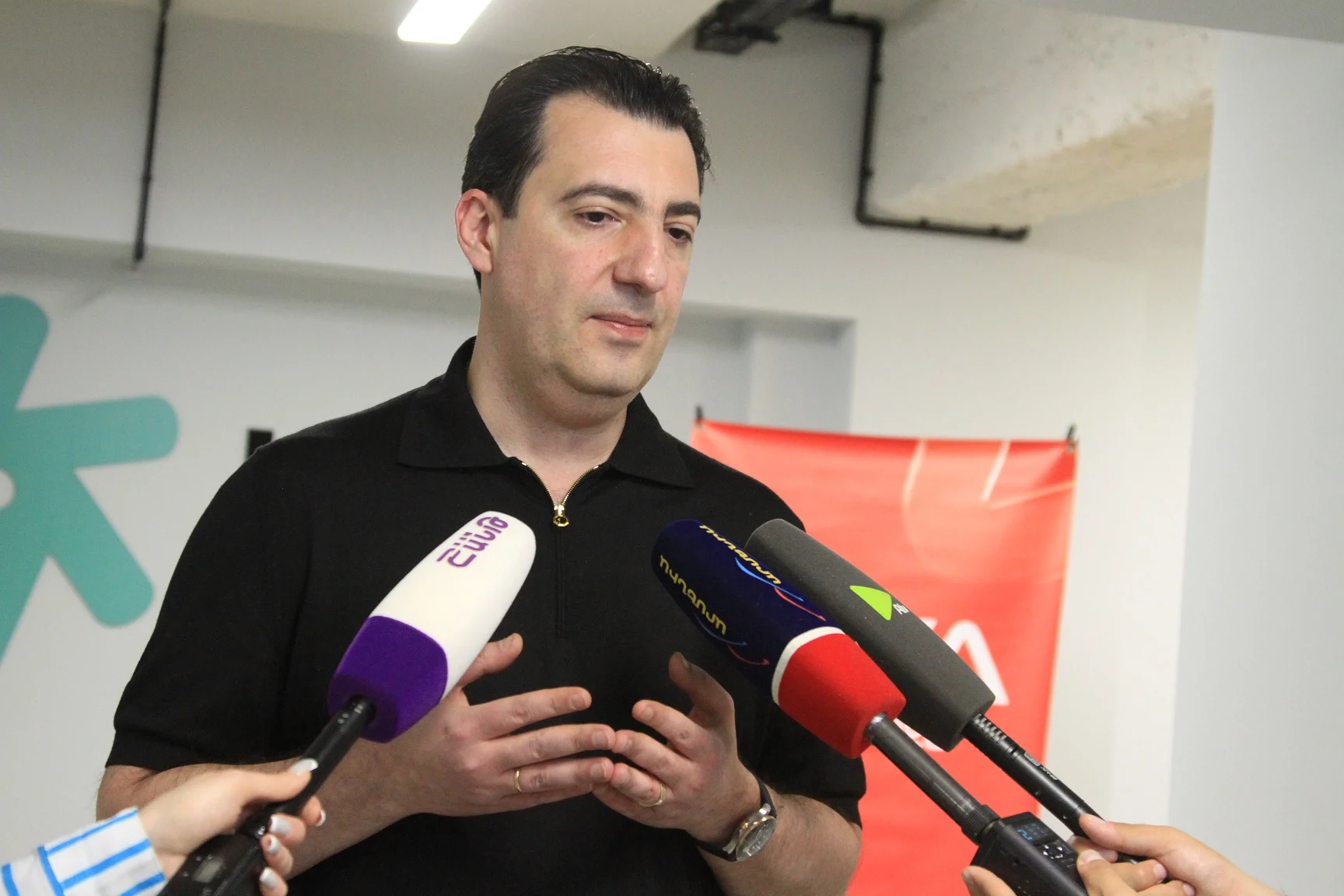
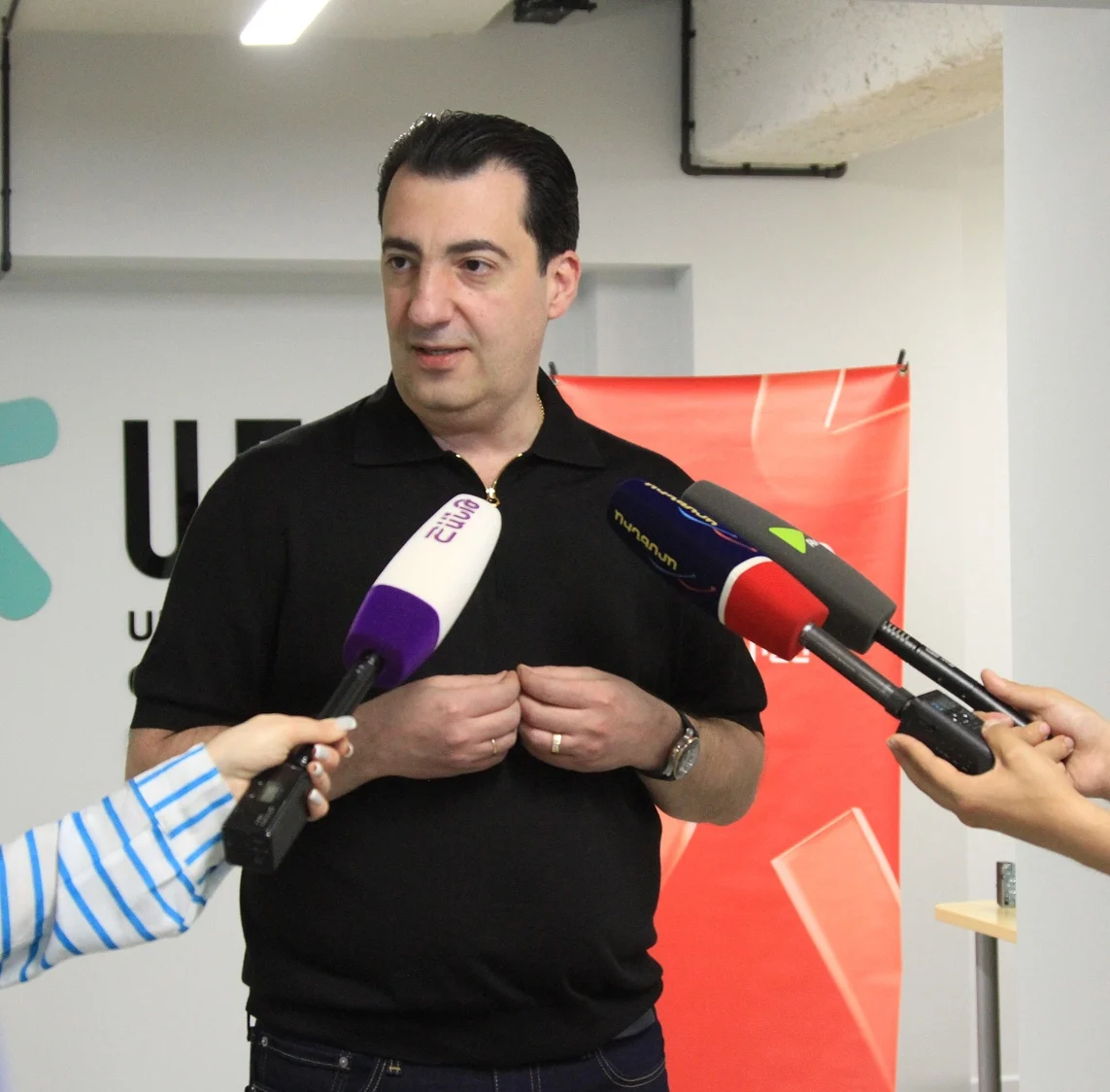
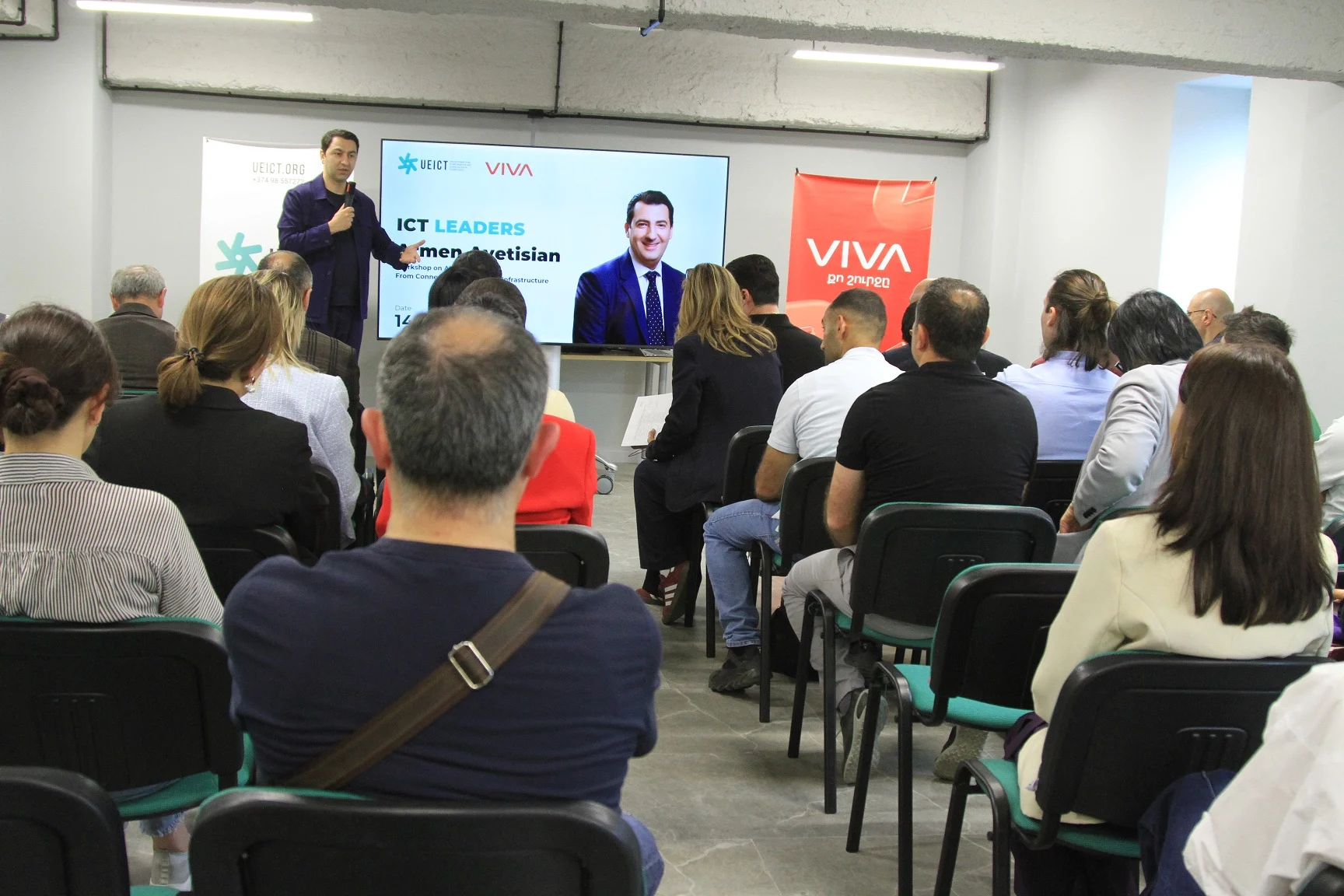
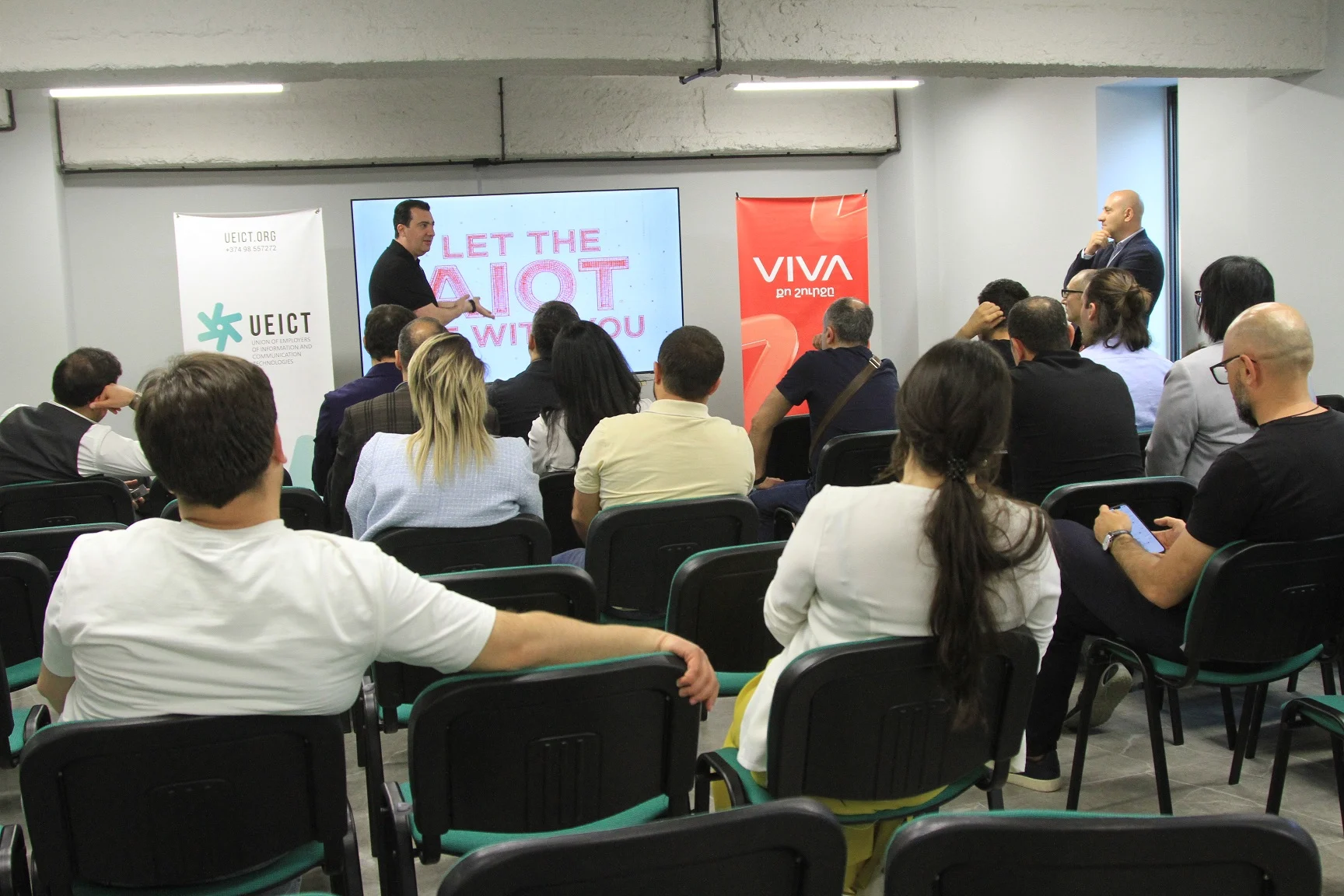
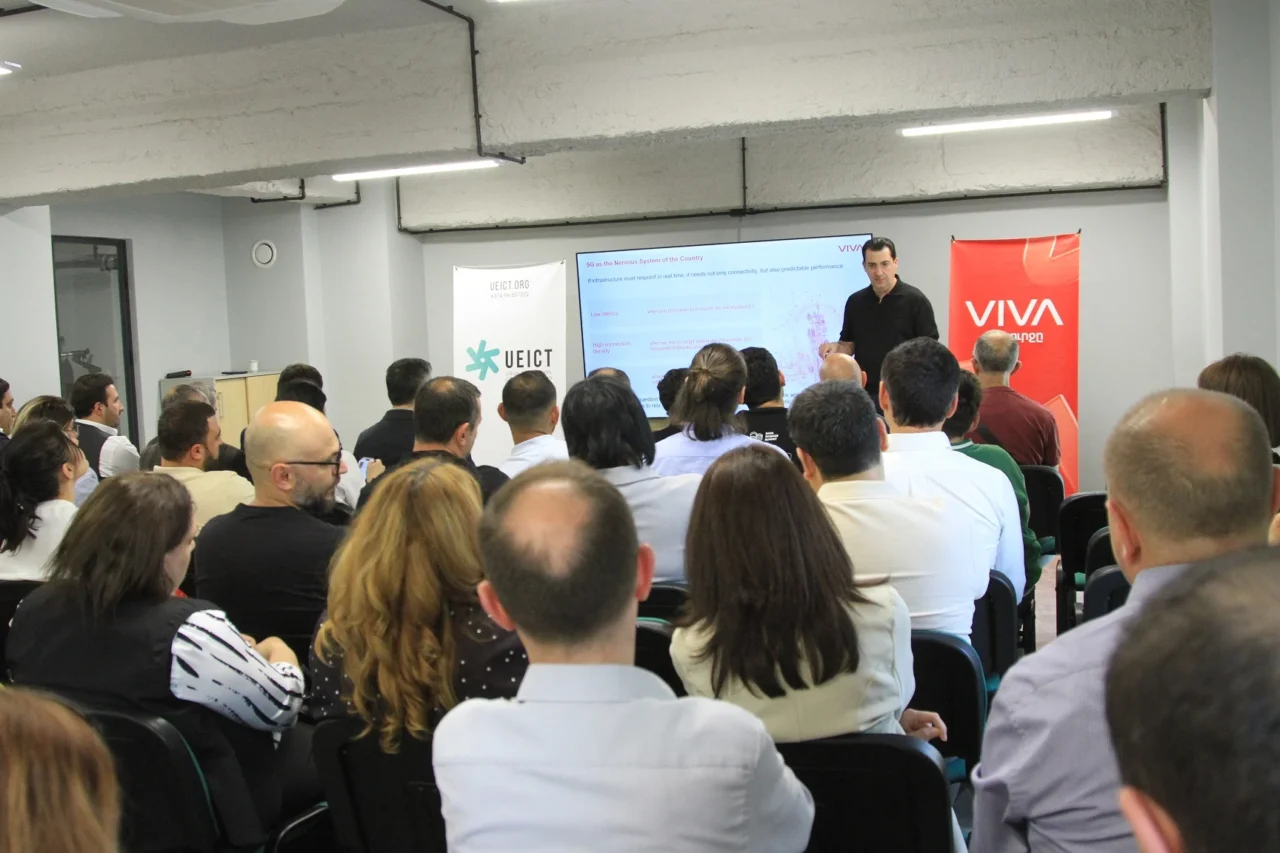
To present Viva’s vision and discuss how AI is transforming business, telecommunications technologies, and infrastructure, the Company’s General Director Armen Avetisian met with representatives of member organizations of the Union of Employers of Information and Communication Technologies, industry specialists, and students. The lecture was organized at the invitation of the UEICT at the organization’s new office.
“Following the largest radio frequency acquisition in Armenia’s history, Viva doubled its frequency resources. This is not an excess, but rather the foundation of a strategic imperative, including the development of new platforms and end-to-end services such as AIoT. The Company is actively developing and expanding its 5G network and launching new platforms such as Viva IoT Hub. Thanks to significantly higher data transmission speeds, 5G creates opportunities for implementing next-generation digital solutions, contributing to the development of Armenia’s digital environment. AIoT is one such direction. However, we also see it as part of our mission to be leaders in this field, helping Armenia gain a clearer understanding of where and how to move forward in this area. We help answer questions such as which industries and services will be able to rely on networks as foundational computing infrastructure, and which aspects should be prioritized to boost business efficiency and productivity — and consequently, economic growth,” Armen Avetisian noted.
The global market is already confirming the practical value of this approach. According to research by Foreclaro Global Research, the global IoT market in construction was valued at USD 15.2 billion in 2025 and is expected to grow at an average annual rate of 13.9% from 2026 to 2033. Growth drivers include demand for real-time site monitoring, connected equipment, cloud platforms, predictive maintenance, and improved worker safety.
“Where and in which cases is AIoT most effective? If we highlight the main areas, then in industry it includes predictive maintenance, quality control, and downtime reduction; in energy — smart grids, load balancing, and loss reduction; in urban services — management of lighting, water supply, traffic, safety, and incidents; and in agriculture and logistics — environmental monitoring, route management, supply chain control, and cargo condition tracking,” added Viva’s General Director.
The strongest impact of AIoT is seen where the cost of error is especially high: manufacturing, construction, energy, transportation, logistics, and urban infrastructure. Connected sensors, cameras, wearable devices, 5G/NB-IoT channels, cloud platforms, and AI analytics make it possible to shift from the model of “learning about a problem after the occurrence” to one of “preventing a problem before it becomes an accident, downtime, or financial loss.”
Speaking about the transformation of mobile operators into digital service providers, Armen Avetisian stated: “Mobile networks are becoming vast ecosystems where every connected device contributes to creating a smarter and safer environment, predicts problems, and responds even before they arise. Modern connectivity enables real-time management of thousands of ‘smart’ devices. I am confident that Armenia has all the prerequisites necessary to transition from ordinary connected devices to ‘thinking’ infrastructures capable of independently analyzing data and making optimal decisions.”
Thus, the role of telecom operators is changing: they are becoming not only providers of connectivity, but also foundational players in the digital economy — ensuring networks, cloud services, platforms, cyber resilience, data management, and solution integration. It is at this level that AIoT transforms from a collection of separate “smart” devices into a managed digital infrastructure for the country.
The lecture was organized on the initiative of the Union of Employers of Information and Communication Technologies. “We are launching the ICT Leaders project, within the framework of which executives from member organizations of the Union will deliver lectures and presentations on current, innovative, and strategic topics in the technology industry. Through this project, we aim to create a platform for exchanging experience, stimulating professional dialogue, and sharing successful practices accumulated in the industry,” said Eduard Musaelyan, Executive Director of the Union of Employers of Information and Communication Technologies.
Practical case studies show that automating data collection through IoT, storing it in so-called “data lakes,” and subsequently analyzing it using AI produces impressive results. In practice, this makes it possible not only to improve project returns and the efficiency of implementing new technologies, but also to predict potential problems and take preventive measures in advance.
For example, AI is already capable of forecasting growth dynamics and crop yields based on data about soil conditions, fertilizer and nutrient concentration, solar radiation levels, and greenhouse microclimates collected through NB-IoT sensors.
AI models help increase crop yields and take preventive measures to reduce the risks of plant diseases. By learning from incoming data, AI can independently make decisions regarding microclimate management or fertilizer regulation in order to improve greenhouse productivity and product quality.
Speaking about Armenia’s opportunities, Avetisian emphasized: “The country has a chance to succeed not because of its scale, but thanks to speed, engineering expertise, and the quality of integration. Armenia has strong engineering traditions, as well as a ‘short distance’ between business, government, and the technology community, along with solid experience in cooperation. Armenia is also a sufficiently compact market for implementing niche AIoT platforms and rapidly launching pilot projects.”
Special emphasis was placed on trust and responsibility. The smarter infrastructure becomes, the higher the requirements for cybersecurity, data governance, and human oversight. “Smart” infrastructure without trust can become not an advantage, but a more expensive vulnerability. Therefore, AIoT development must go hand in hand with reliable security architecture, clear rules for working with data, and the possibility of manual intervention where necessary.
Avetisian also spoke about cloud-based AI solutions.
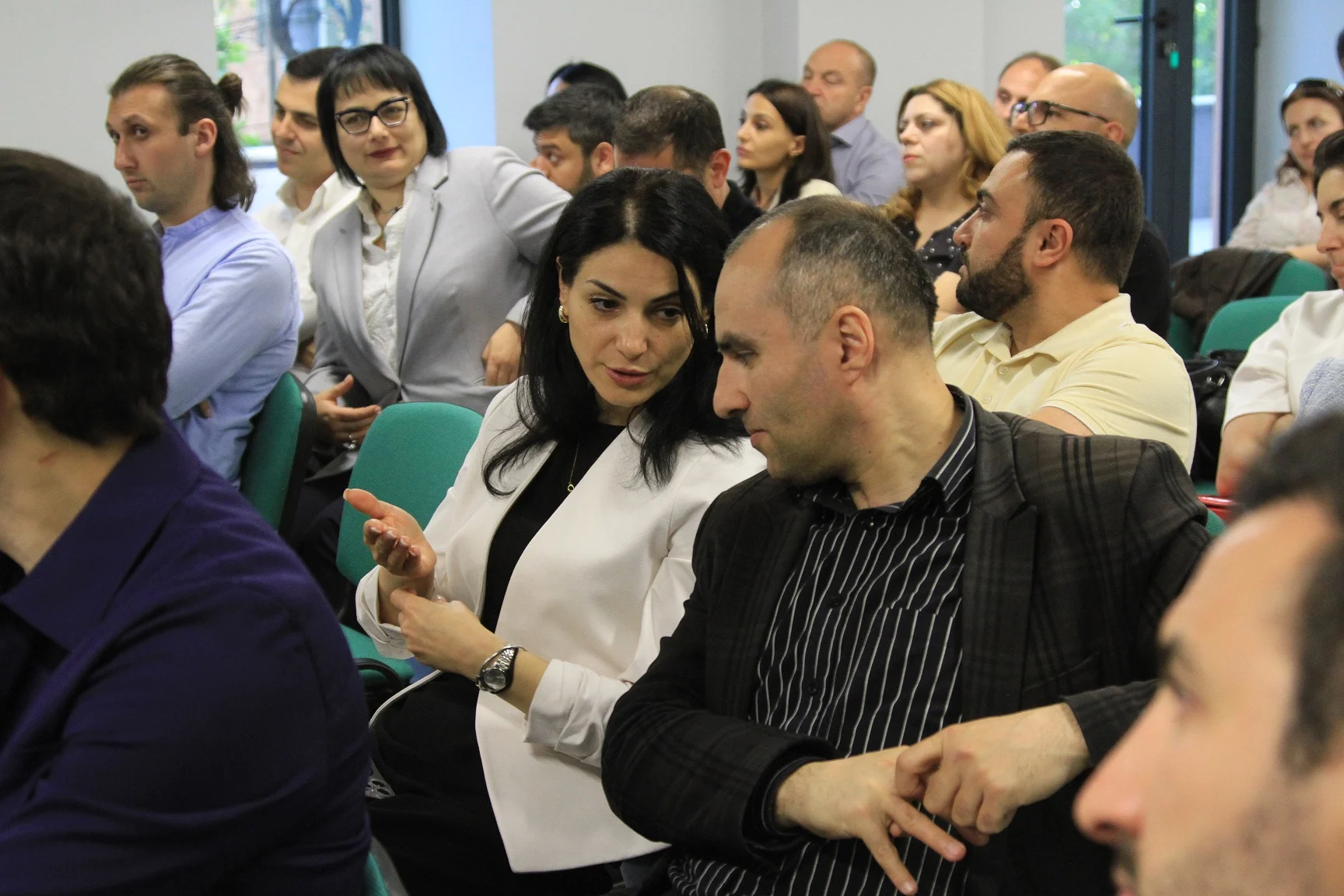
The meeting concluded with a Q&A session, during which partners, students, and industry specialists discussed various issues related to the topic.