

Swiss-funded SIGMA project offers replicable models to advance agriculture in Armenia
In 2025, Armenia’s agricultural sector grew by 5.6% compared to 2024. Crop production and livestock farming accounted for roughly 51% and 49% of total agricultural output, respectively. The strongest growth was observed in vegetables, fruits and berries, and potatoes, which increased by 2%, around 20%, and 1.3%, respectively, compared to the previous year. To ensure the sector’s long-term sustainability and inclusiveness, targeted investments and the transfer of modern knowledge are essential to address persistent challenges. Key issues include low productivity, difficulties in marketing agricultural products, technical and logistical constraints, limited market access, and a shortage of up-to-date knowledge and skills in climate-resilient agriculture.
A key initiative addressing these challenges in rural communities is the Sustainable Inclusive Growth in Mountainous Armenia (SIGMA) project. Implemented in the regions of Tavush, Lori, Shirak, and Gegharkunik, the project promotes inclusive, climate-smart, and innovative approaches to sustainable rural development. SIGMA aims to increase incomes and create employment opportunities for small rural households, with a focus on the economic inclusion of socially vulnerable groups. Funded by the Swiss Agency for Development and Cooperation (SDC), the project supports rural innovation, improves access to markets, boosts household incomes, and strengthens the resilience of smallholder farmers.
More than 1,000 rural households have already benefited from opportunities created with the support of the SIGMA project, improving their productivity and increasing their incomes. The project implements co-investment initiatives with private companies to launch new or enhanced services. To date, around 30 new services have been developed with SIGMA’s support, strengthening the production of grains, legumes, potatoes, fruits, berries, and vegetables, while also promoting beekeeping services.
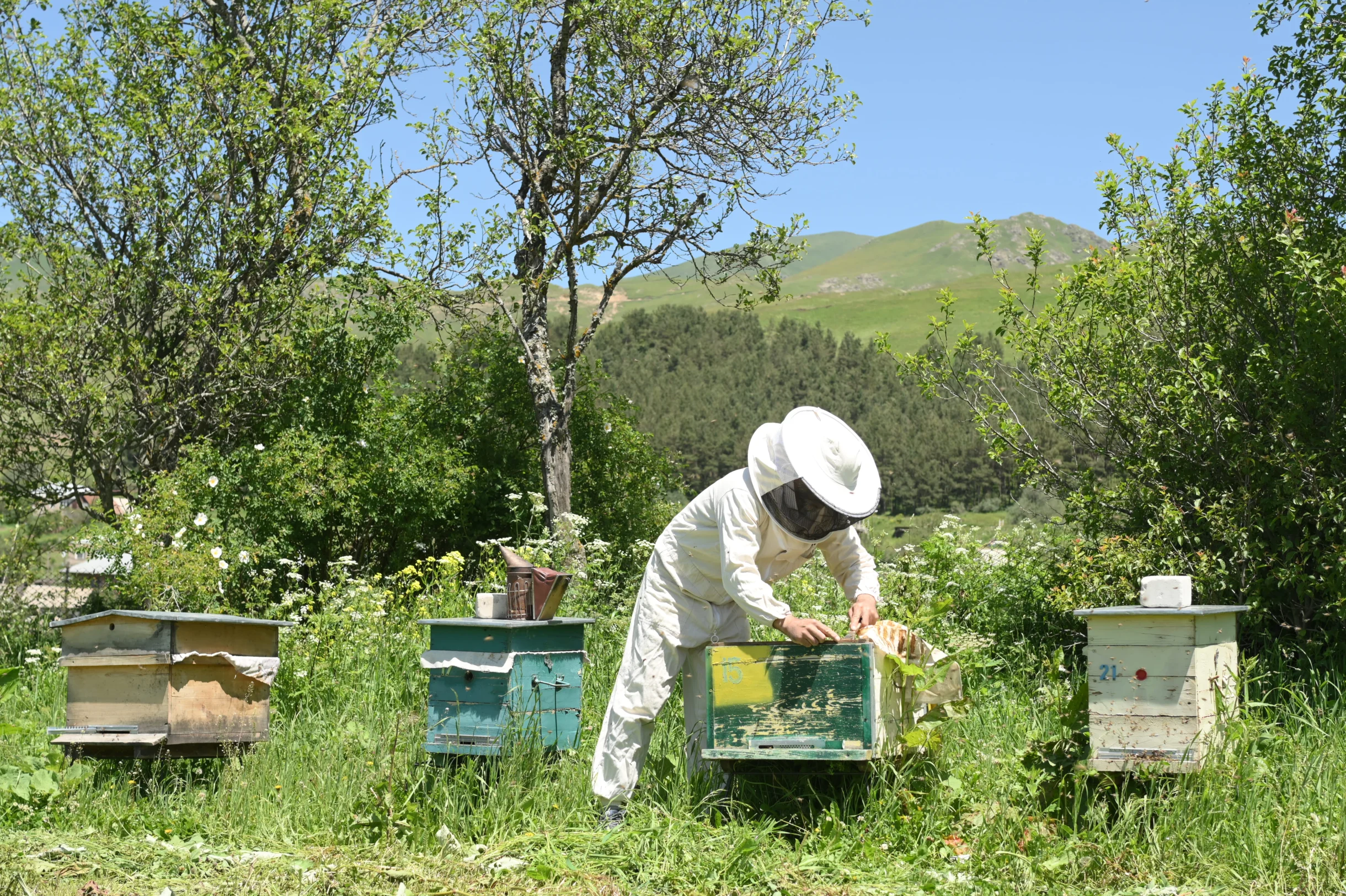
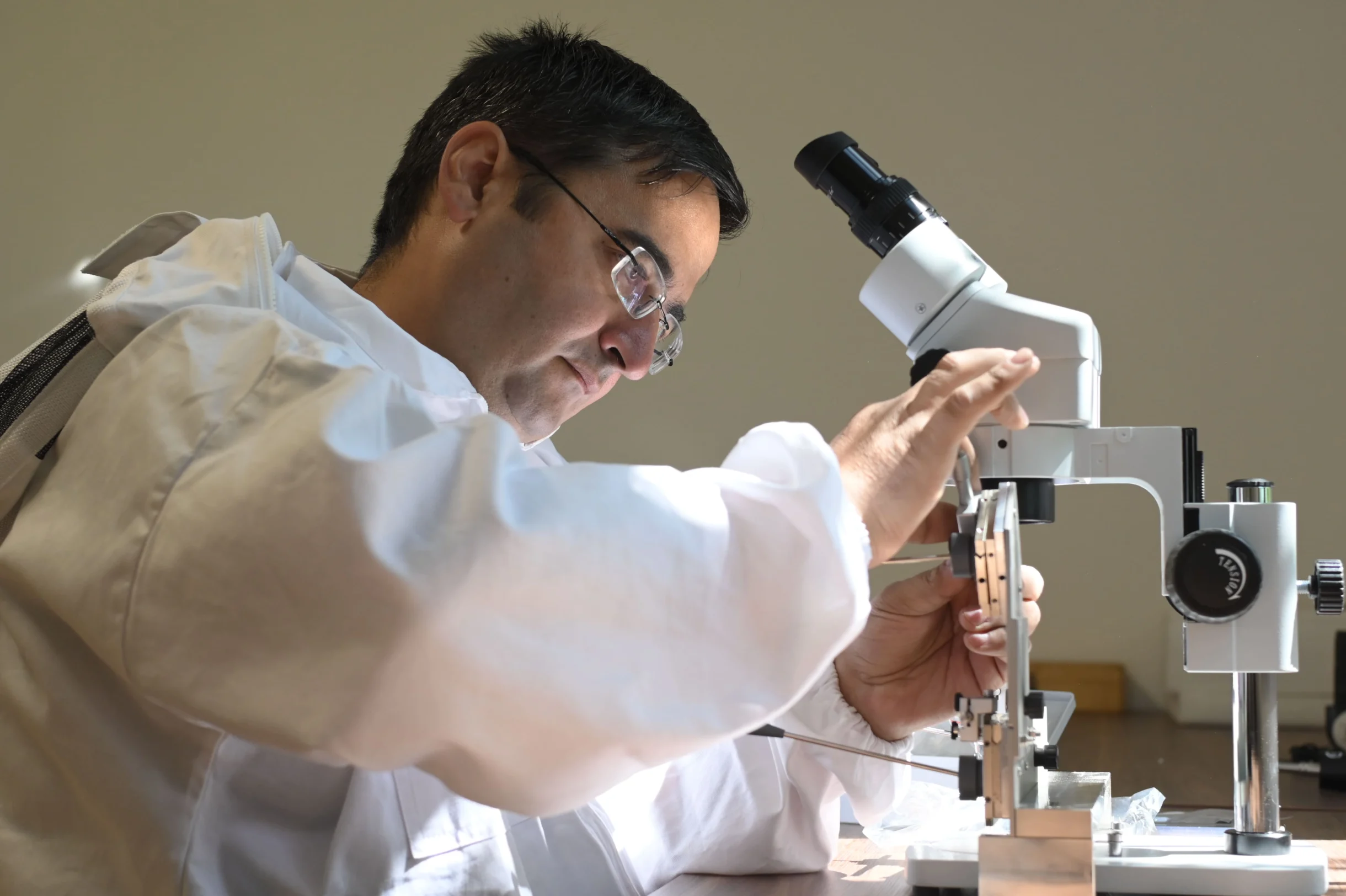
A key intervention aimed at developing the beekeeping sector is the establishment of the Beekeeping Forge Scientific, Industrial and Research Centre in the Margahovit community of the Lori region. The centre provides a comprehensive range of services to beekeepers from across the country, including queen bee breeding, disease management, beekeeper training, and the promotion of bee products.
“I have gained valuable knowledge and skills in queen bee breeding, managing seasonal tasks, expanding my apiary, and other essential areas. Thanks to the centre, I’ve also been able to grow my business by acquiring new bee colonies. This year, I plan to focus on queen bee breeding, which will help me maintain high-quality colonies and diversify the range of bee products I produce,” says Gohar Gharibyan, a beekeeper and beneficiary of the centre.
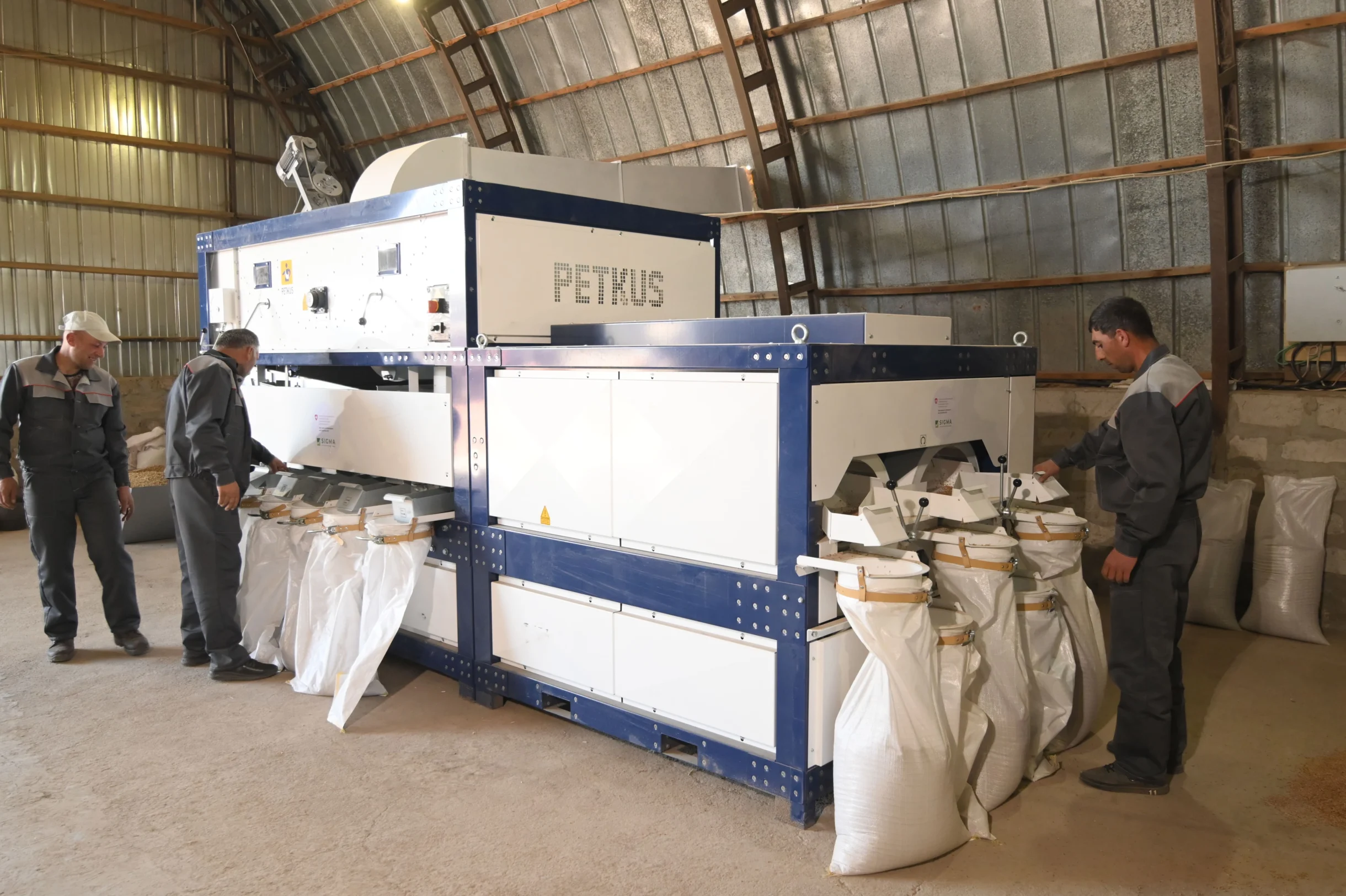
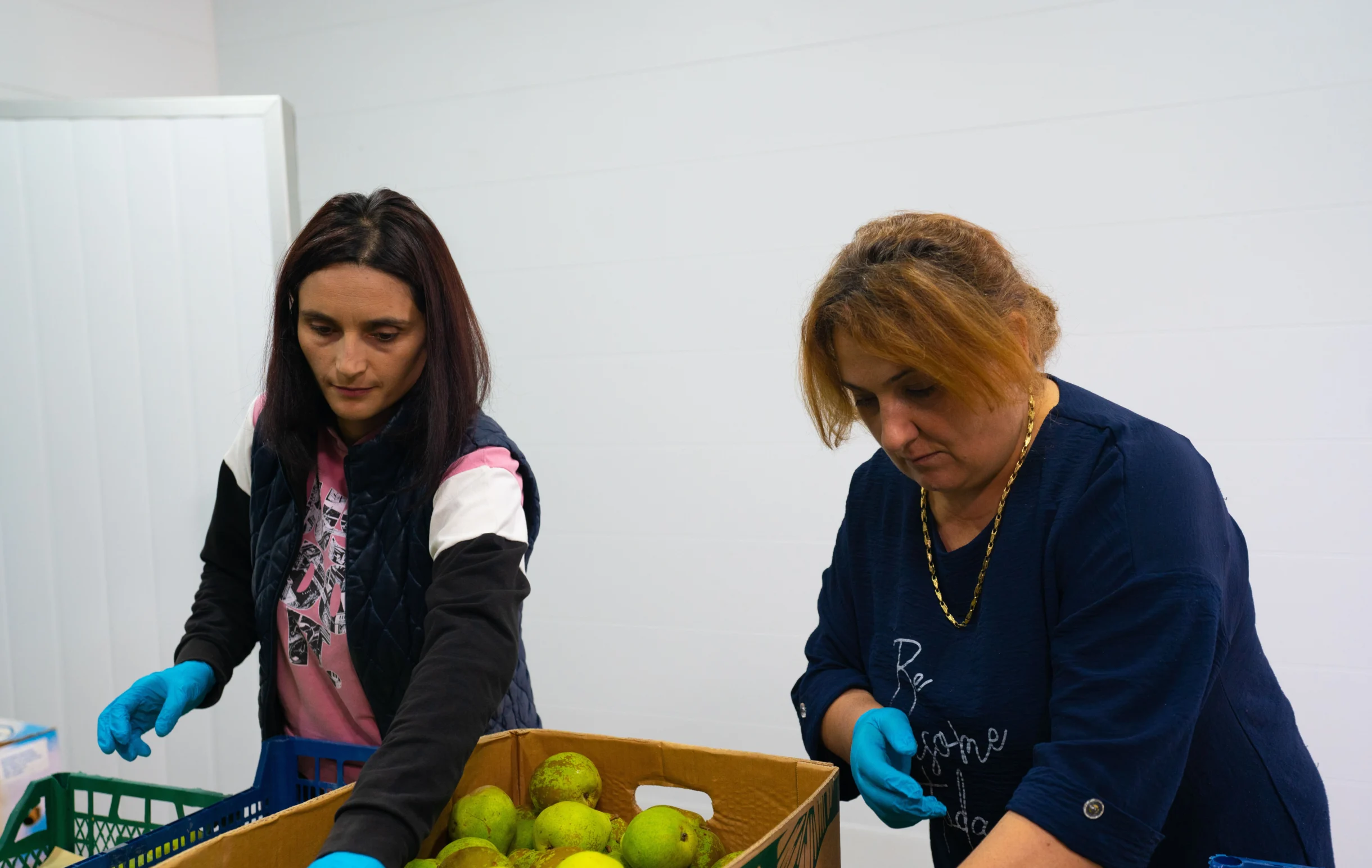
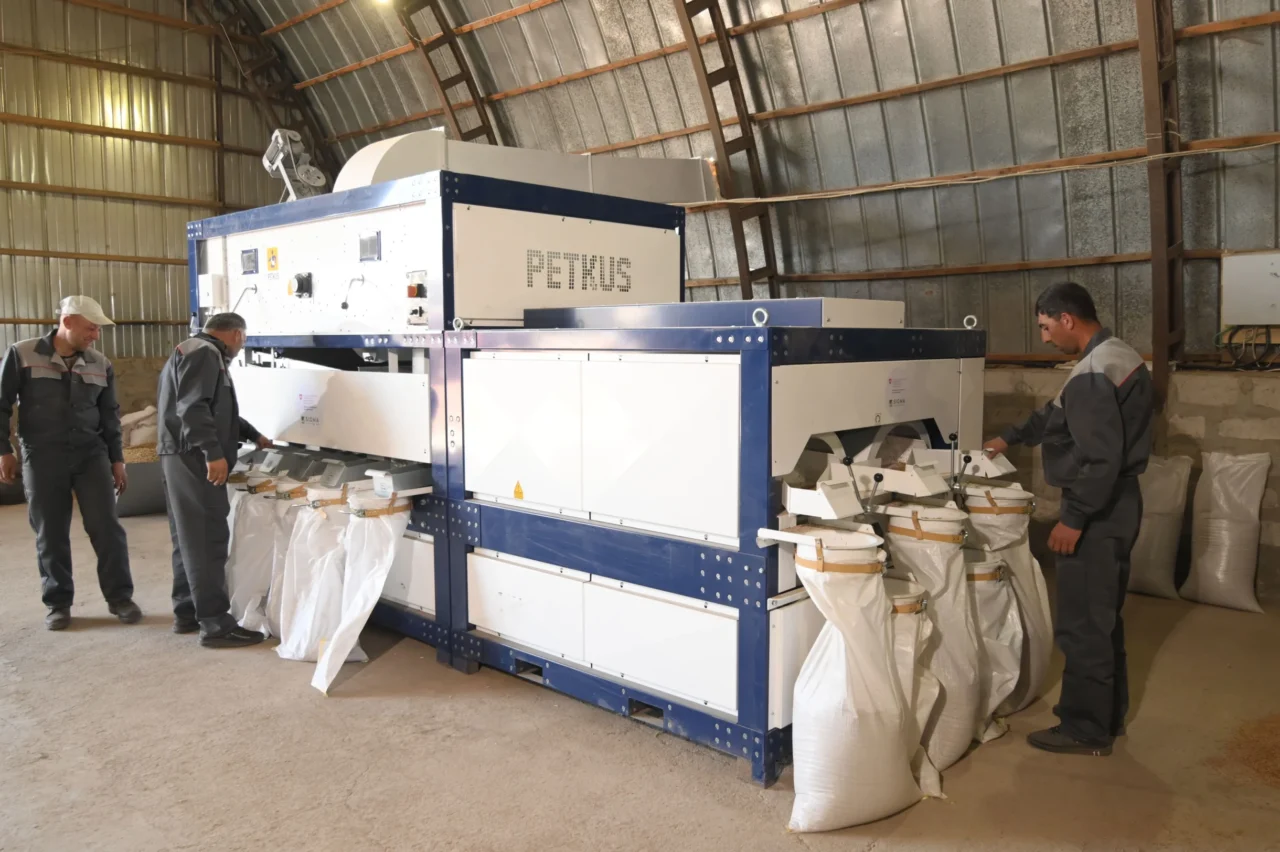
Key initiatives supporting grain and legume production include the establishment of an advanced facility for cleaning, sorting, and treating grain and legume seeds in the Vardenis community of the Gegharkunik region, as well as a wheat aggregation and flour production facility in the village of Urut, Lori region. Modern cold storage facilities have been set up in the Berd and Vardenik communities of the Tavush and Gegharkunik regions, with over 250 tons of produce already aggregated in 2025. Farmers in the Gyulagarak and Akhuryan communities, in the Lori and Shirak regions, now have access to agricultural services using modern grain harvesters, helping to reduce crop losses and increase incomes. Looking ahead, several new co-investment projects are planned for 2026, envisaging establishment of a vegetable seedling production facility, a corn kernel aggregation and drying facility, a shock-freezing facility for fruits and berries, and a certified fruit tree nursery—the first of its kind in Armenia.
By the end of the first phase of the SIGMA project, running through 2026, around 3,000 households are expected to be using the new agricultural services. Most beneficiaries are anticipated to see higher incomes as a result. These services are also expected to create approximately 500 new jobs and significantly improve working conditions. By 2028, the number of beneficiaries is projected to exceed 5,000.
To promote sustainable and balanced growth in rural communities, SIGMA places a strong emphasis on inclusivity. It is projected that around 30% of the project’s beneficiaries will be women, while 25% will come from various vulnerable groups, including forcibly displaced persons from Nagorno-Karabakh, people with disabilities, and ethnic minorities. In 2025, women already made up more than 26% of beneficiaries, and individuals from vulnerable groups—including those forcibly displaced from Nagorno-Karabakh—accounted for approximately 30%.
Currently, with most of its planned initiatives already implemented, the SIGMA project places a strong emphasis on disseminating and scaling these models both within target regions and beyond, contributing to more sustainable development in rural communities. SIGMA plans to collaborate closely with the private sector, offering expert and technical support to companies operating within the identified market systems. The project is also open to partnerships with other stakeholders, including public institutions, government bodies, and international, financial, and civil society organizations.
The SIGMA project is planned to run for ten years, with its first phase concluding in December 2026. It is expected that the second phase will follow immediately, offering expanded development opportunities for rural households across Armenia. The project is implemented by DAI Global UK (DAI) and its branch in Armenia, in collaboration with AMPERA Consulting Company as a local partner.