

Ucom Supports AI-Powered Camera Installation for Nature Conservation
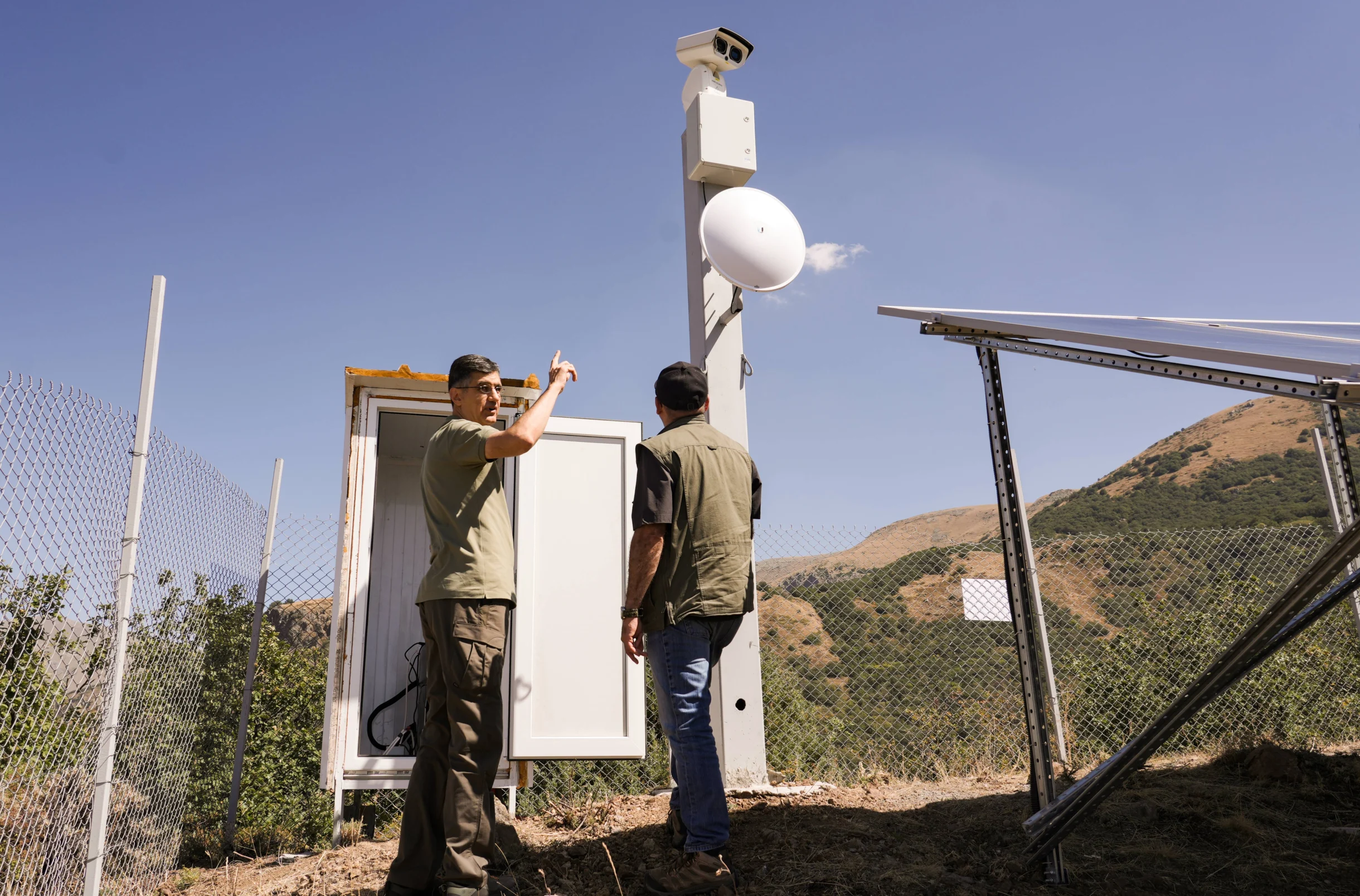
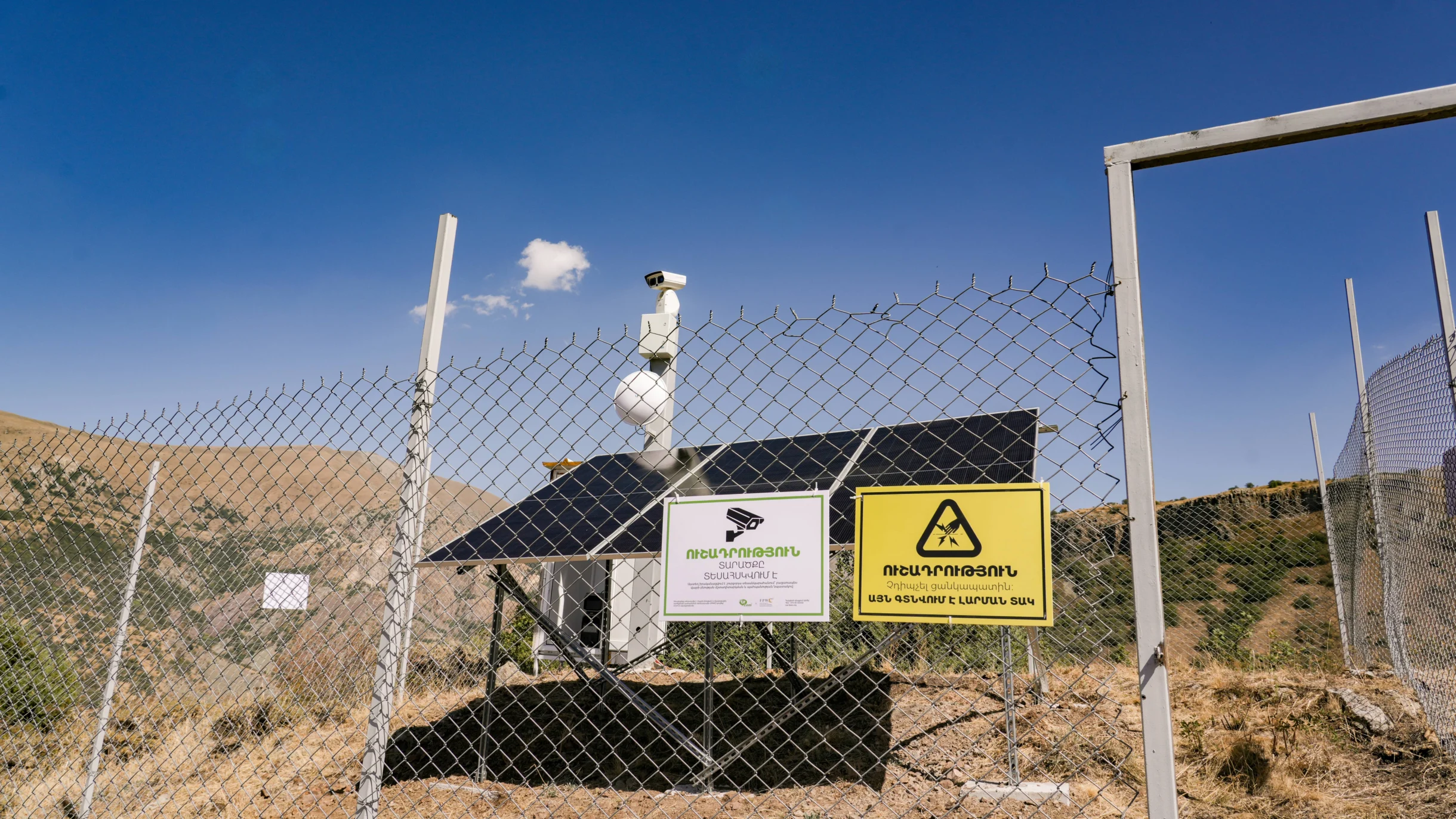
With the support of Ucom, a new AI-powered monitoring camera has been installed in the Twin Lakes area to support the protection of the Caucasus Wildlife Refuge (CWR) and the adjacent Khosrov Forest State Reserve.
The new camera will enable round-the-clock monitoring of hard-to-reach and environmentally sensitive areas. Thanks to its high-performance capabilities, day and night imaging modes, and artificial intelligence algorithms, it will be possible to monitor wildlife without interfering with animals’ natural behavior or disturbing them.
The AI system can rapidly detect movement and unusual activity, allowing the protection team to respond promptly to unauthorized access or other potential threats. At the same time, the data collected will provide a more comprehensive picture of animal movements in the area and changes taking place within the ecosystem.
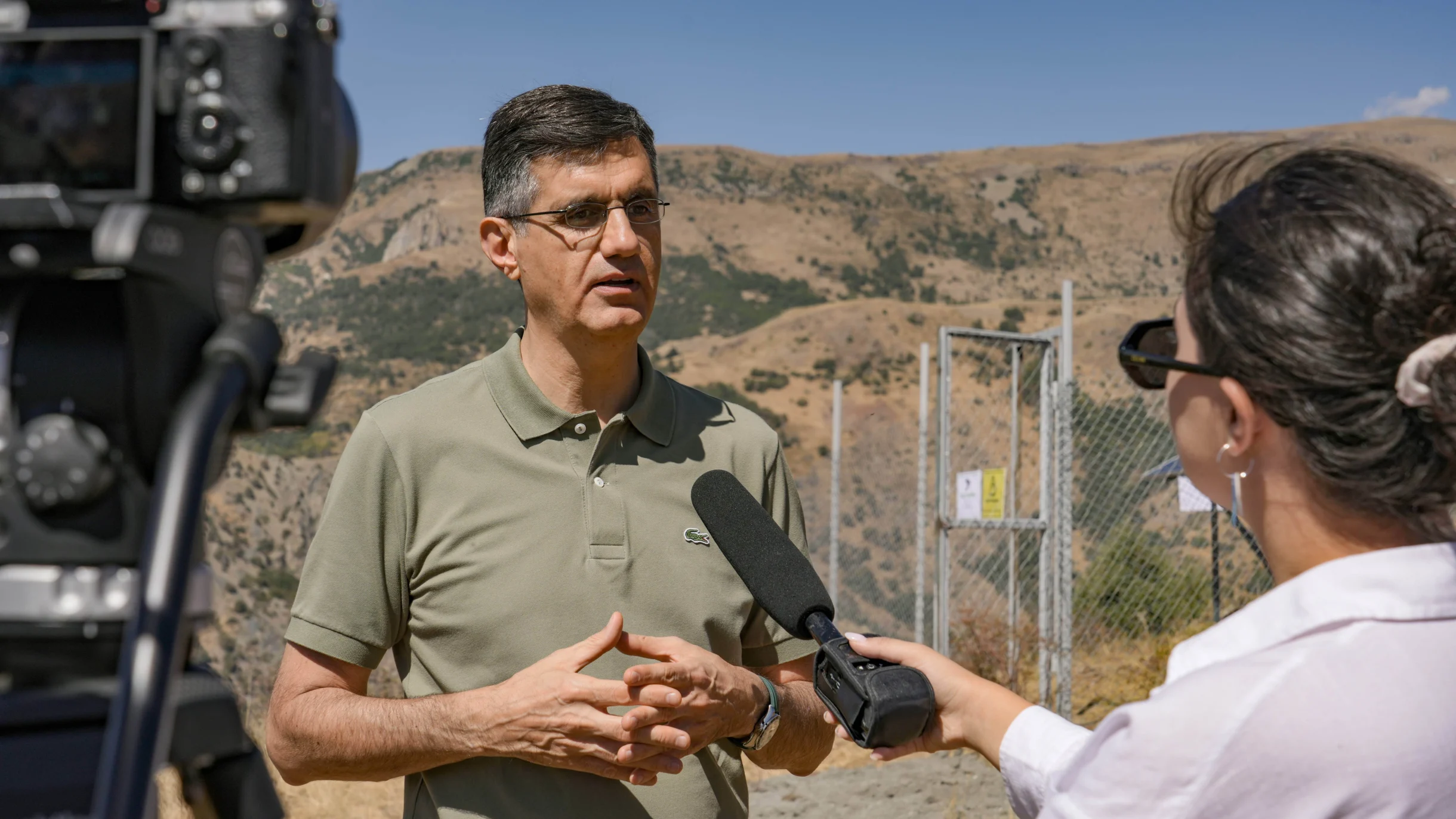
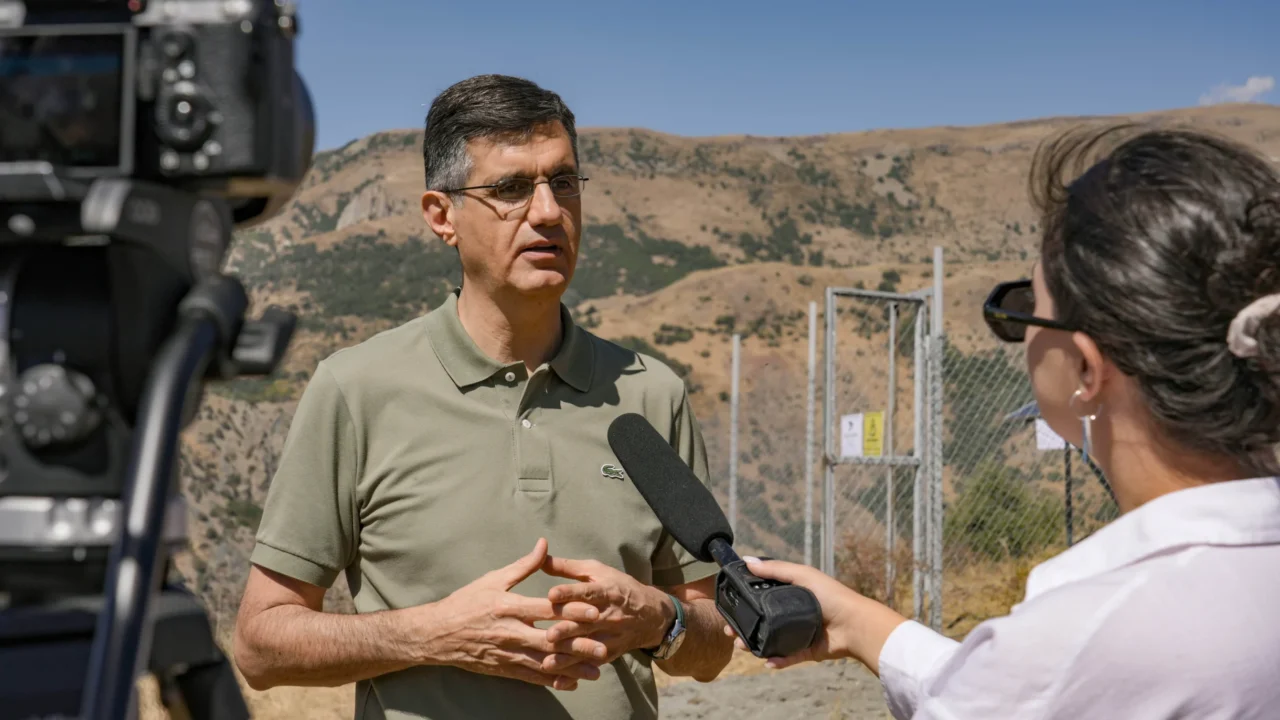
“Today, technology can do more than connect people — it can also become a practical tool for protecting nature. For Ucom, it is important that our technological capabilities also contribute to initiatives that create long-term value for Armenia’s natural heritage and future generations,” said Ralph Yirikian, General Director of Ucom.
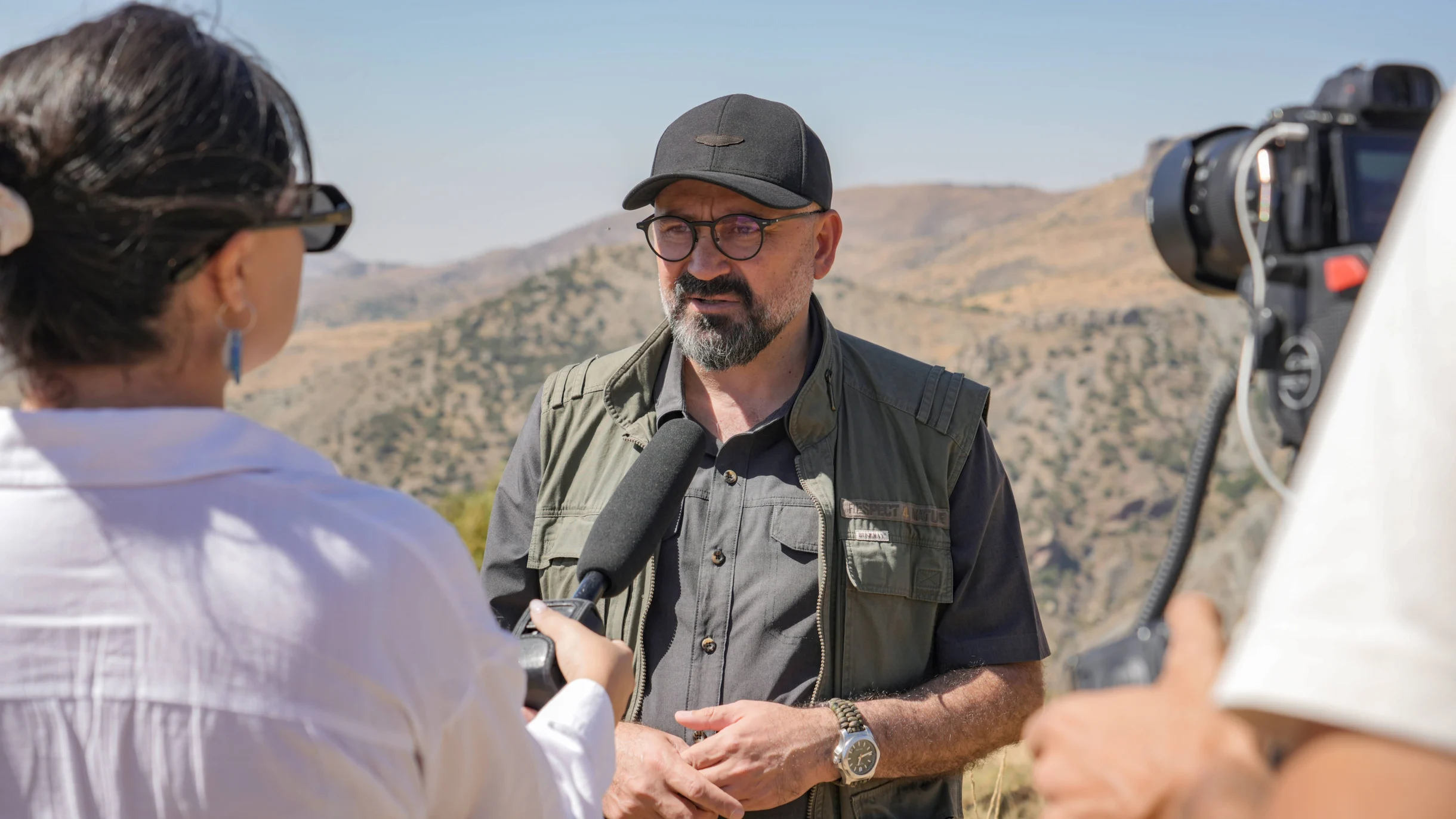
“Ahead of CBD COP17, Armenia should present the world with tangible and innovative environmental solutions. The introduction of AI technologies at CWR in cooperation with Ucom demonstrates that precise protection and monitoring at the local level form the foundation for conserving biodiversity globally,” emphasized Ruben Khachatryan, Founder and Director of FPWC.
The use of modern monitoring technologies is particularly important in areas such as the Caucasus Wildlife Refuge and the Khosrov Forest State Reserve, which protect Armenia’s unique ecosystems and habitats of rare wildlife species.
The initiative continues Ucom’s environmental efforts. Through various projects, the company supports the introduction of technological solutions in nature conservation, contributing to biodiversity monitoring, more effective protection efforts, and the development of environmental initiatives.